Soil, crops, and seasons in Polish agriculture
Documented methods for building organic matter, structuring crop sequences, and managing composting in central European farm conditions.
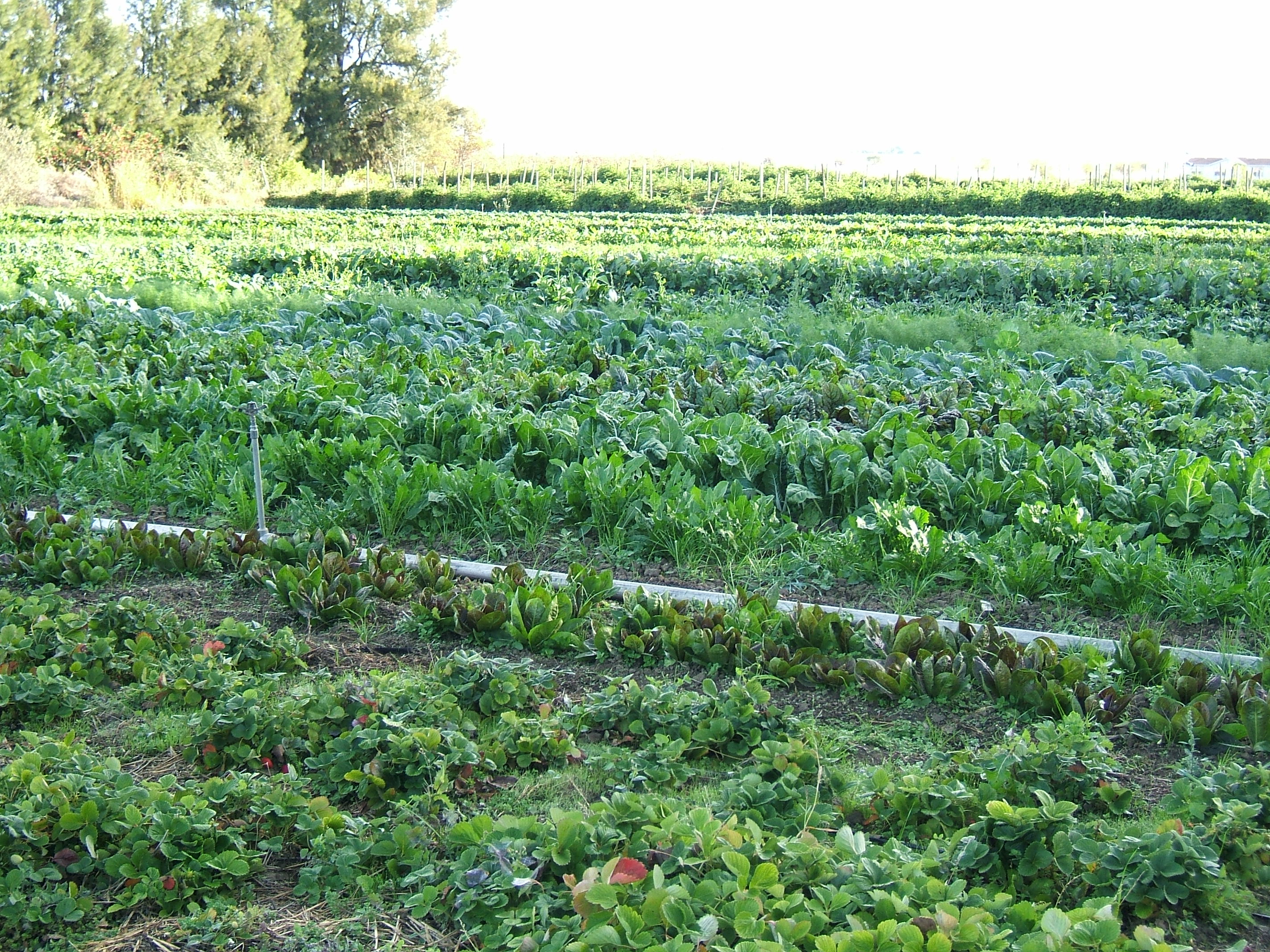
Core Topics
What this resource covers
Three subjects that define practical organic farming in Poland: what happens below ground, how crop sequences affect soil and disease, and how organic waste becomes soil amendment.
Soil Health & Organic Matter
How organic matter builds aggregate stability, raises cation exchange capacity, and supplies nitrogen through mineralisation — documented in Polish field conditions.
Crop Rotation Strategies
Four-year and five-year sequences matched to soil class: clay loams, medium loams, and light sands, with legume breaks and spring-sown cleaning crops.
Composting Methods
Temperature targets, carbon-to-nitrogen ratios, moisture management, and maturity testing for both household bins and farm-scale windrow systems.
Articles
Recent publications

Soil Health and Organic Matter: What Polish Farmers Need to Know
A detailed look at how organic matter levels affect soil structure, water retention, and long-term crop productivity in Polish agricultural conditions.

Crop Rotation Strategies for Central European Conditions
How four-year and five-year sequences reduce disease pressure, nitrogen demand, and weed populations across different soil types in Poland.

Composting at Home and on the Farm: A Practical Reference
Temperature targets, carbon-to-nitrogen ratios, moisture management, and maturity testing for outdoor composting in Polish conditions.
Additional Context
Related areas covered on this resource
EU Organic Regulation 2018/848
Articles reference the current EU regulatory framework for organic production, including mandatory rotation requirements and fertiliser provisions.
Soil Testing & Monitoring
Walkley-Black wet oxidation, NIR spectroscopy, and IUNG sampling protocols used in Polish soil laboratories — described in agronomic context.
Cover Crops in Polish Conditions
Phacelia, oilseed radish, buckwheat, and cereal rye as autumn-gap cover crops — establishment windows, biomass yields, and termination methods.
Contact
Send an enquiry
For corrections, feedback, or general correspondence. We do not respond to requests for advertising, sponsored content, or link exchange.
Your message has been received. We will respond within 5 working days.